

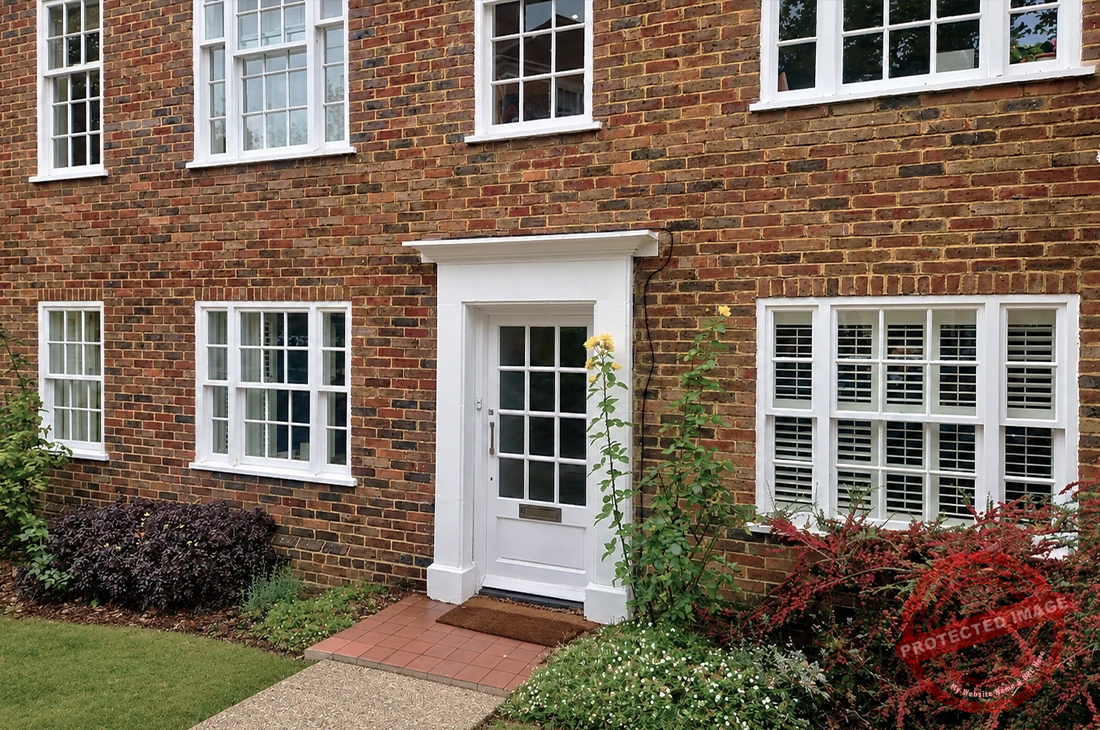
Replacing windows in a flat is slightly different from replacing windows in a house. Many homeowners are unsure about what is allowed and what must match, especially when it comes to rules, permissions, and what you are actually allowed to change.
This guide explains everything you need to know about replacing windows in flats in the UK, including the key rules, responsibilities, and best practices when replacing windows in flats in the UK.
Why replacing windows in flats is different
Flats are usually part of a larger building owned or managed collectively. This means changes to your windows can affect not only your property but also the overall appearance and structure of the building.
Because of this, window replacements in flats are usually governed by:
- Planning considerations (external appearance)
- Building regulations (performance and safety)
- Leasehold agreements or management company rules
1. External appearance: The key requirement
When replacing windows in a flat, the external appearance must match the existing building. This is one of the most important rules. Local councils and planning departments focus primarily on preserving the uniform look of blocks of flats. This helps maintain the building’s architectural consistency and overall value.
You should match:
- Frame material (uPVC, aluminium, timber)
- Frame colour
- Frame size and proportions
- Opening style (casement, tilt & turn, fixed)
- Glazing bars or decorative details
- Overall external sightlines
Even when planning permission is not required, maintaining a consistent external appearance is usually expected.
2. Internal window details: Usually your choice
Yes — in most cases, internal window details do NOT need to match. Planning rules and building regulations focus on the outside of the building, not the interior of your flat.
This means you can typically choose:
- Internal frame finish (white, woodgrain, etc.)
- Handles and hardware styles
- Internal trims and finishing details
These elements are considered part of your private interior and do not affect the building’s external appearance.
The only exception is if your lease agreement or management company specifically requires certain internal specifications.
3. Building Regulations: Focused on safety and performance
All replacement windows must comply with UK building regulations. Building regulations ensure that your new windows meet modern safety and efficiency standards.
These include requirements for:
- Energy efficiency (thermal performance)
- Safety glazing in critical areas
- Fire escape requirements
- Proper installation and ventilation
These regulations do not control how your windows look internally — only how they perform.
4. Leasehold and Management Company approval
Most flats in the UK are leasehold, which means you may need permission before replacing your windows. Your lease or management company may require:
- Written approval/permission before work starts
- Matching building-wide specifications
- Ensuring external appearance matches the building
- Approved contractors or installers
Always check your lease or speak to your management company before starting work.
5. Do you need Planning Permission?
In many cases, planning permission is not required if:
- The new windows match the existing external appearance
- The building is not listed
- The property is not in a conservation area
However, every property is different, so it’s always worth checking if you’re unsure.
QUICK SUMMARY
When replacing windows in a flat:
You must:
- Match the external appearance
- Follow building regulations
- Follow leasehold or management company requirements
You can usually choose:
- Internal window finishes
- Handle styles
- Interior design details
If you are considering window replacement for a property in a flat, we have experience working on similar projects and can advise on appropriate solutions. Get in touch with our team, and we’ll be happy to assist you.


